
AGENCY SELECTION · 12 MIN READHow to choose a home service marketing agency
The 12 questions that reveal who owns the accounts, how results are measured, what the price includes and whether the agency understands your market.
Read the buyer’s guide ↗
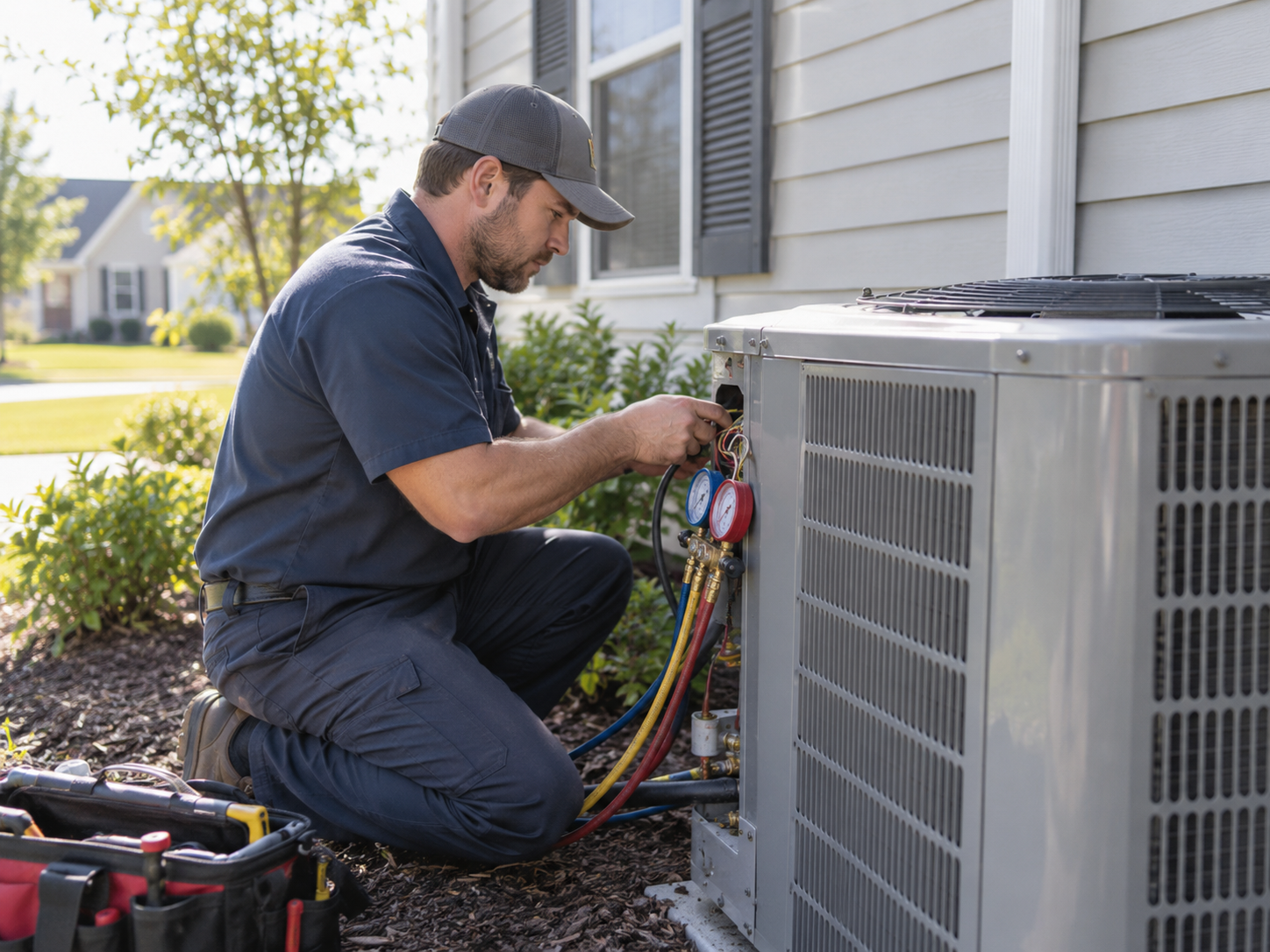
CHANNEL STRATEGY · 11 MIN READSEO or Google Ads: which should a home-service company fund first?
A practical decision framework for contractors who need demand now, durable visibility later, or a sensible mix of both.
Compare SEO and Google Ads ↗
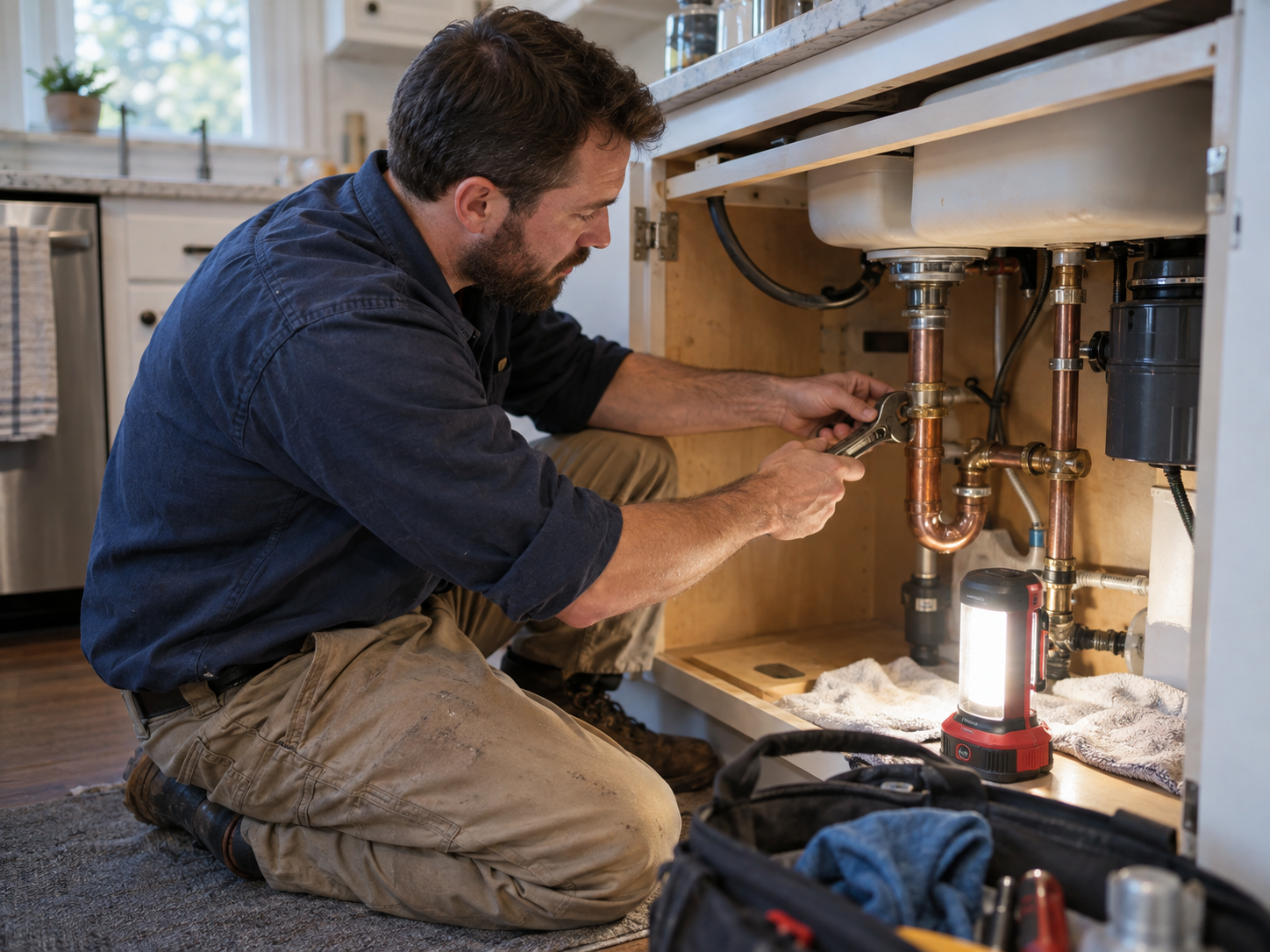
LEAD CONVERSION · 10 MIN READWhy home-service leads don’t turn into booked jobs
A field-ready diagnosis for contractors getting calls and forms but not enough appointments, estimates or profitable work.
Find the conversion leak ↗
LOCAL SEARCH · 11 MIN READGoogle Business Profile for service-area contractors
How roofing, HVAC and plumbing companies should handle addresses, service areas, categories, reviews and multi-location expansion without risky shortcuts.
Set up the profile correctly ↗
BUDGETING · 11 MIN READHow much should a home-service company spend on marketing?
A bottom-up budget model based on capacity, qualified opportunities, close rate and job economics—not a generic percentage of revenue.
Calculate a defensible budget ↗
PAID SEARCH · 11 MIN READLocal Services Ads or Google Search Ads: which should contractors use?
Compare pay-per-lead visibility with more controllable search campaigns across costs, verification, lead quality, tracking and service-level fit.
Compare the two ad formats ↗
SEO EXPECTATIONS · 11 MIN READHow long does SEO take for home-service contractors?
A realistic phase-by-phase guide to early indicators, qualified enquiries, booked jobs and the point where “SEO takes time” becomes a warning sign.
See the realistic timeline ↗
LOCAL SEO · 12 MIN READShould contractors create a page for every city?
How to build useful service-area pages around real coverage, customer questions and local evidence—without thin copy or doorway-page risk.
Plan service-area pages ↗
AI SEARCH · 12 MIN READHow can contractors appear in ChatGPT and Google AI search?
An evidence-led plan for crawl access, clear local facts, useful answers, third-party proof and measurement—without guaranteed-citation claims.
Build the AI-search foundation ↗
GOOGLE ADS · 9 MIN READAre your Google Ads paying for the wrong jobs?
A search-term audit for roofers, HVAC firms and plumbers: cut irrelevant queries without accidentally blocking valuable demand.
Audit your search terms ↗
HVAC STRATEGY · 10 MIN READMarket the next HVAC season before it arrives
What to promote before demand peaks, during the rush and in quieter weeks—based on local signals, crew capacity and booked jobs.
Plan the next season ↗
CALL ATTRIBUTION · 11 MIN READWhich calls actually become booked jobs?
A practical framework for separating phone rings, connected calls, qualified opportunities, bookings and won work.
Build a useful call scorecard ↗
REPUTATION · 11 MIN READHow should contractors ask for Google reviews?
A policy-safe post-job workflow without discounts, review gating, forced five-star requests or scripted keywords.
Build the review workflow ↗
LANDING PAGES · 12 MIN READHomepage or landing page for contractor Google Ads?
Choose the right destination for each service, search intent and job—then measure qualified calls and booked work, not form fills alone.
Choose the right destination ↗
GOOGLE ADS · 12 MIN READWhy are Google Ads sending leads outside your service area?
A practical guide to Presence versus Interest, radius and postal targeting, exclusions, matched locations and booked-job geography.
Audit location targeting ↗
GOOGLE ADS BIDDING · 12 MIN READWhich Google Ads bidding strategy should contractors use?
Choose between clicks, conversions, target CPA and conversion value based on the quality of the outcomes your account can actually measure.
Choose a bidding strategy ↗
WEBSITE SEO · 12 MIN READHow can contractors redesign a website without losing SEO?
A practical migration plan for preserving valuable pages, mapping redirects, testing the launch and protecting qualified leads.
Plan a safer redesign ↗
LEAD BUYING · 12 MIN READShared or exclusive leads: what are contractors actually buying?
Compare purchased and owned lead sources by qualification, bookings, won jobs, sourcing, consent and complete acquisition cost.
Compare lead models ↗
GOOGLE ADS · 12 MIN READPerformance Max or Search Ads for contractors?
Choose the right campaign type based on search intent, tracking quality, creative coverage, budget and booked-job outcomes.
Compare campaign types ↗
ATTRIBUTION · 12 MIN READWhy do Google Ads, GA4 and your CRM show different lead numbers?
Understand expected reporting differences, find genuine tracking gaps and connect campaign activity to qualified leads, bookings and revenue.
Reconcile the reports ↗
GOOGLE ADS AI MAX · 13 MIN READShould contractors turn on AI Max for Search?
Understand expanded matching, generated text, Final URL expansion and the controls to audit before running a measured test.
Audit AI Max before enabling it ↗
LEAD CAPTURE · 12 MIN READGoogle lead forms or website forms for contractors?
Compare friction, qualification, trust, CRM delivery and booked-job quality before choosing where customers should enquire.
Choose the right form path ↗
GOOGLE ADS CALLS · 12 MIN READGoogle call-only ads are ending: what should contractors do?
Move to responsive search ads with call assets without losing sight of answer rates, qualified calls, bookings and won jobs.
Plan the migration ↗
BRANDED SEARCH · 12 MIN READShould contractors bid on their own business name?
Decide when brand ads defend valuable demand, when they simply replace free clicks and how to test whether they add booked jobs.
Evaluate brand bidding ↗
SEARCH NETWORK · 12 MIN READGoogle Search Partners for contractors: on or off?
Find out where partner ads can appear, how to compare lead quality and when expanded reach is consuming the wrong budget.
Audit Search Partners ↗
CONVERSION GOALS · 12 MIN READWhich Google Ads conversions should contractors make primary?
Separate genuine calls, forms and booked jobs from diagnostic actions before automated bidding learns to chase the wrong result.
Audit primary conversions ↗
ACCOUNT CONTROL · 12 MIN READShould contractors auto-apply Google Ads recommendations?
Use Optimization Score as a review queue without letting generic suggestions change bidding, keywords, networks or targeting unchecked.
Audit auto-apply settings ↗
AD SCHEDULING · 12 MIN READShould contractor Google Ads run after hours?
Build campaign schedules around emergency intent, call coverage, time zones, budget pacing and the hours that produce booked jobs.
Build a defensible schedule ↗
CAMPAIGN TESTING · 12 MIN READHow should contractors test Google Ads changes?
Use controlled experiments for bidding, broad match, AI features and ad messages—then judge the result by qualified and booked work.
Build a controlled experiment ↗
INVALID TRAFFIC · 12 MIN READIs click fraud wasting your contractor Google Ads budget?
Separate Google-filtered invalid activity from weak targeting, bad lead handling and ordinary low-intent traffic before buying a blocking tool.
Audit suspicious traffic ↗
KEYWORD MATCHING · 12 MIN READShould contractors use broad match in Google Ads?
Know when wider matching can find qualified local demand, when it magnifies weak tracking and how to test it without betting the account.
Evaluate broad match ↗
AD QUALITY · 12 MIN READWhat should contractors actually fix in Quality Score?
Separate the 1–10 diagnostic from auction-time Ad Rank, then improve the ads and landing pages that influence real customer experience.
Diagnose ad quality ↗
SEARCH COVERAGE · 12 MIN READIs Google Ads impression share limited by budget or rank?
Read eligible coverage, lost share and top-of-page metrics without turning a diagnostic into an automatic case for more spend.
Diagnose missed visibility ↗
ACCOUNT OWNERSHIP · 12 MIN READWho should own a contractor’s Google Ads account?
Keep campaign history, billing visibility and exit control while giving an agency the access it genuinely needs.
Set up agency access safely ↗
COMPETITOR KEYWORDS · 11 MIN READShould contractors bid on competitors’ names?
Understand Google’s trademark rules, isolate competitor traffic and test whether those clicks produce profitable booked work.
Evaluate competitor bidding ↗
AUCTION INSIGHTS · 12 MIN READWhat does Google Ads Auction Insights actually tell contractors?
Read overlap, position above and outranking share without mistaking auction visibility for market share or profitability.
Read competitor data correctly ↗